martedì 24 marzo 2020

La teoria della cospirazione reale

Una traduzione in inglese è disponibile qui.

La più celebre delle teorie sull'identità di Jack lo Squartatore è senza dubbio quella della cospirazione reale. Secondo questa teoria il Principe Alberto Vittorio, nipote della Regina Vittoria, era solito frequentare i bassifondi dell'East End di Londra, dove avrebbe instaurato una relazione con una donna chiamata Annie Elizabeth Crook, dalla quale avrebbe avuto anche una figlia chiamata Alice Margaret. Ovviamente la famiglia reale non poteva accettare la situazione perché Annie Elizabeth non aveva sangue reale e per di più era cattolica. La Regina decise quindi di risolvere la questione in modo drastico: Annie Elizabeth venne rapita e su di lei furono condotti esperimenti di laboratorio al fine di farle perdere la memoria; durante il rapimento Alice Margaret riuscì invece a fuggire e di lei si persero le tracce per decenni.


La questione sarebbe conclusa se non fosse che a Whitechapel abitava una donna di nome Mary Jane Kelly che conosceva tutta la verità avendo fatto da balia ad Alice Margaret e che aveva confidato i propri segreti a tre amiche. La Regina decise allora di ridurre tutti al silenzio e incaricò il proprio medico personale, Sir William Gull, assistito dal vetturino John Netley di risolvere la questione. Gull iniziò allora a muoversi nell'ombra nelle notti di Whitechapel uccidendo cinque donne: Mary Kelly, le tre amiche e Catherine Eddowes scambiata per Mary Kelly, in quanto anche Catherine alle volte si faceva chiamare Mary Kelly. Dopo aver ucciso la Eddowes, l'assassino avrebbe gettato un brandello del grembiule della donna con cui aveva pulito il coltello in un antro di Goulston Street e lasciò sul muro una scritta in gesso con cui chiariva la propria appartenenza alla massoneria con un linguaggio oscuro e inquietante. La scritta diceva The Juwes are the men That Will not be Blamed for nothing e secondo i teorici del complotto la parola Jewes sarebbe un nome collettivo che nella massoneria viene usato per indicare Jubela, Jubelo e Jubelum, cioè i tre presunti assassini del personaggio immaginario massonico Hiram Abif.

Questa teoria è stata resa popolare dalla serie televisiva Jack The Ripper della BBC del 1973 a cui seguì il celeberrimo libro Jack The Ripper: The Final Solution di Stephen Knight nel 1976. Da allora è la più celebre tra quelle riprese in romanzi e film, tra cui lo sciagurato From Hell con Johnny Depp del 2001: ottimo esempio di cinema e pessimo esempio di ricostruzione storica.

A parte le verifiche storiche che si possono fare, e che non hanno confermato la teoria della cospirazione reale, questa ipotesi non regge nemmeno a un minimo di rigore critico. Sir William Gull aveva 72 anni nel 1888 e non esiste un solo caso nella storia di un rispettato professionista che diventi un serial killer ad età tanto avanzata per ordine altrui. Inoltre aveva avuto almeno due infarti e non sembra proprio un buon candidato ad aver ucciso cinque donne con la forza.

I teorici di questa cospirazione richiamano un'affermazione del dottor Llewellyn sull'omicidio di Mary Ann Nichols, secondo cui l'assassino aveva asportato gli organi con precisione da chirurgo, per sostenere che lo Squartatore possa essere stato un medico. Tuttavia Gull non era un chirurgo ma un medico di base e non aveva mai operato nessuno nella sua carriera; non poteva pertanto avere nessuna capacità chirurgica.

Non esiste alcuna prova che Gull fosse un massone, in ogni caso la massoneria è una società segreta e non un'organizzazione criminale a cui commissionare omicidi. Inoltre la parola Jewes scritta nel graffito di Goulston Street non ha alcun significato massonico e non ricorre nei testi massonici e nemmeno si capisce perché l'assassino avrebbe dovuto perdere tempo prezioso nella sua fuga per scrivere un messaggio che dava indicazioni corrette agli inquirenti sulla propria identità.

Non esiste parimenti alcuna prova che le cinque vittime dello Squaratore si conoscessero tra loro e nemmeno è chiaro per quale motivo i cospiratori reali avrebbero deciso di riservare trattamenti diversi alle quattro scomode testimoni e ad Annie Elizabeth Crook: avrebbero banalmente potuto uccidere anche Annie Elizabeth. Se i messi reali avessero dovuto ridurre al silenzio le quattro donne lo avrebbero fatto in un tempo molto più breve rispetto agli oltre due mesi che l'assassino ha impiegato; né si spiegherebbe la ferocia impiegata dall'assassino: se fossero stati omicidi su commissione, l'assassino sarebbe stato più rapido possibile senza rischiare inutilmente di sporcarsi di sangue.


Il fatto che Gull possa aver scambiato Catherine Eddowes per Mary Kelly per via della parziale omonimia è poi completamente risibile: le due donne erano diversissime per età e aspetto e non crediamo proprio che l'assassino chiedesse il nome alle vittime prima di sgozzarle, evidentemente avrebbe dovuto sapere in anticipo chi uccidere. E Mary Kelly è evidentemente un nome molto diffuso a Londra: sia nel 1888, sia oggi.

In ultimo, un messo reale con tanto di vetturino al suo servizio avrebbe avuto mezzi migliori che non lo avrebbero costretto a pulire la propria arma con un pezzo di grembiule per poi lasciarlo in un antro dove sapeva sarebbe stato trovato, sarebbe bastato semplicemente portare il coltello sporco con sé sulla carrozza.

Purtroppo questa è una delle teorie più note; è senza dubbio affascinante, ma completamente infondata e assurda. Accusare uno stimato professionista di essere un assassino non è una teoria legittima e non è nemmeno divertente: è un'infamia.

La teoria del complotto reale è una sciocchezza che non merita nessuna considerazione ma solo derisioni e che dovrebbe essere eradicata dal mondo della ripperologia.

martedì 19 novembre 2019

The Dolocher: il demone che terrorizzò la Dublino georgiana

Anche la Dublino dell'età georgiana ebbe un pazzo sanguinario che si aggirava di notte per le sue vie mietendo vittime e sparendo nella nebbia: se il più celebre assassino della Londra vittoriana fu Jack lo Squartatore, il mostro che terrorizzò la capitale irlandese fu The Dolocher.


L'unica fonte su questa storia, che oggi appartiene al folklore irlandese, è un articolo del 24 novembre 1832 del Dublin Penny Journal, tuttora disponibile sul sito JSTOR. La storia narra che un assassino e stupratore seriale chiamato Olocher fu rinchiuso nella prigione di Black Dog, nell'odierno quartiere di Cornmarket vicino alla cattedrale di Christ Church. La notte prima del giorno in cui doveva apparire in tribunale, nel 1788, Olocher si suicidò nella sua cella e poche notti dopo un demone con testa nera da maiale cominciò ad aggirarsi per il penitenziario, aggredendo le guardie. Questi episodi si ripeterono per molti giorni, e una notte di una delle guardie furono trovati solo i vestiti, come se il mostro lo avesse divorato.

Il demone fu identificato con lo spirito di Olocher morto suicida e divenne noto con il nome di Dolocher (probabilmente dalla contrazione di The Olocher, diventato poi D'Olocher e infine The Dolocher).

Da allora numerose donne furono attaccate per le vie della città di notte, una di queste a causa dell'aggressione perse il figlio che portava in grembo. Una sera le autorità della città decisero di sterminare tutti i maiali che giravano per la città, che al tempo erano molti, in modo che l'assassino non potesse nascondersi tra di loro. La mattina seguente le strade furono pulite per evitare che le carcasse e il sangue causassero altro panico.

Dolocher sparì durante la primavera e l'estate, ma l'inverno seguente tornò a colpire tra le strade di Dublino. Una notte Dolocher scelse male la propria vittima, attaccando un fabbro che resistette all'assalto e stese l'aggressore. Una folla si raccolse intorno al mostro steso a terra e una volta tolta la maschera da maiale, Dolocher si rivelò essere la guardia penitenziaria che aveva lasciato solo i propri vestiti al suo posto. Una volta scoperto ammise di essere stato anche l'ideatore della mattanza dei maiali; lo scopo di tutta la messinscena era semplice: intendeva solo rapinare le sue vittime. L'uomo morì in carcere a seguito delle percosse del fabbro.

Negli anni la storia di Dolocher ha ispirato alcuni scrittori di thriller. Il primo di questi fu European P. Douglas che nel 2014 ha dedicato a Dolocher il primo volume della serie di thriller che vede protagonista il detective Alderman James; la seconda è stata Caroline Berry, autrice del romanzo The Dolocher del 2016 i cui protagonisti sono la farmacista Merriment O’Grady e il giornalista Solomon Fish.

È ovvio che parte della storia si perda nella leggenda; non si spiega ad esempio come la guardia abbia potuto fingersi morto per così tanto tempo e al contempo confondersi tra i vigilanti. Ma ogni leggenda ha la sua buona dose di punti oscuri e quella di Dolocher non fa eccezione.


Fonti aggiuntive:

mercoledì 10 luglio 2019

Jan Bondeson - The Ripper of Waterloo Road: The Murder of Eliza Grimwood in 1838

Nella preziosa collezione di libri dedicata alla storia vittoriana dello storico e medico Jan Bondeson si trova il testo dedicato alla morte della prostituta Eliza Grimwood intitolato The Ripper of Waterloo Road. La donna fu uccisa nel suo appartamento di Waterloo Road, nell'omonimo distretto della capitale, nella notte tra il 25 e il 26 maggio del 1838; la sera prima era stata a teatro, da cui si era allontanata il compagnia di un uomo che fu probabilmente il suo assassino. Eliza fu rinvenuta stesa a terra con la gola squarciata e con lacerazioni sparse sul collo, sul seno e sull'addome.

L'autore descrive quindi il corso delle indagini affidate all'ispettore della divisione L Charles Frederick Field e dei vari sospettati che sono stati vagliati al tempo dell'omicidio e nei decenni successivi. Alla fine del proprio volume Bondeson espone anche quella che secondo lui è la teoria più probabile giungendo a concludere che probabilmente l'assassino di Eliza Grimwood era un assassino seriale (o più probabilmente uno spree killer) che aveva ucciso altre persone prima di Eliza.

A parte il racconto avvincente della morte di Eliza Grimwood e della conseguente indagine il volume di Bondeson è prezioso anche per altri motivi. Ad esempio spiega come il tasso di criminalità nella Londra vittoriana fosse piuttosto alto e come gli omicidi irrisolti di prostitute non fossero casi isolati, Bondeson cita infatti altri casi simili a quelli di Eliza Grimwood per tipologia di vittima e modalità di assassinio. Inoltre il caso di Eliza Grimwood presenta altre somiglianze con quello di Jack lo Squartatore; anche in questo caso, ad esempio, si diffusero teorie del complotto secondo cui l'assassino sarebbe stato legato alla famiglia reale (Carlo II duca di Brunswick, nel caso di Waterloo Road). Inoltre la polizia fu subissata di lettere inviate da chi pensava di poter dare consigli, da chi sosteneva di sapere chi fosse l'assassino e anche da sedicenti assassini che si autoincolpavano. Ovviamente la maggior parte di queste missive fece solo perdere tempo agli inquirenti.

Il testo di Jan Bondeson sull'omicidio di Waterloo Road è quindi una lettura interessantissima non solo perché descrive un cold case tra i più affascinanti della storia, ma anche perché offre ottimi spunti di riflessione più vasti e serve sicuramente ad ampliare la visione di chiunque sia interessato ai più celebri omicidi di Whitechapel.


Link Amazon: The Ripper of Waterloo Road di Jan Bondeson

venerdì 7 giugno 2019

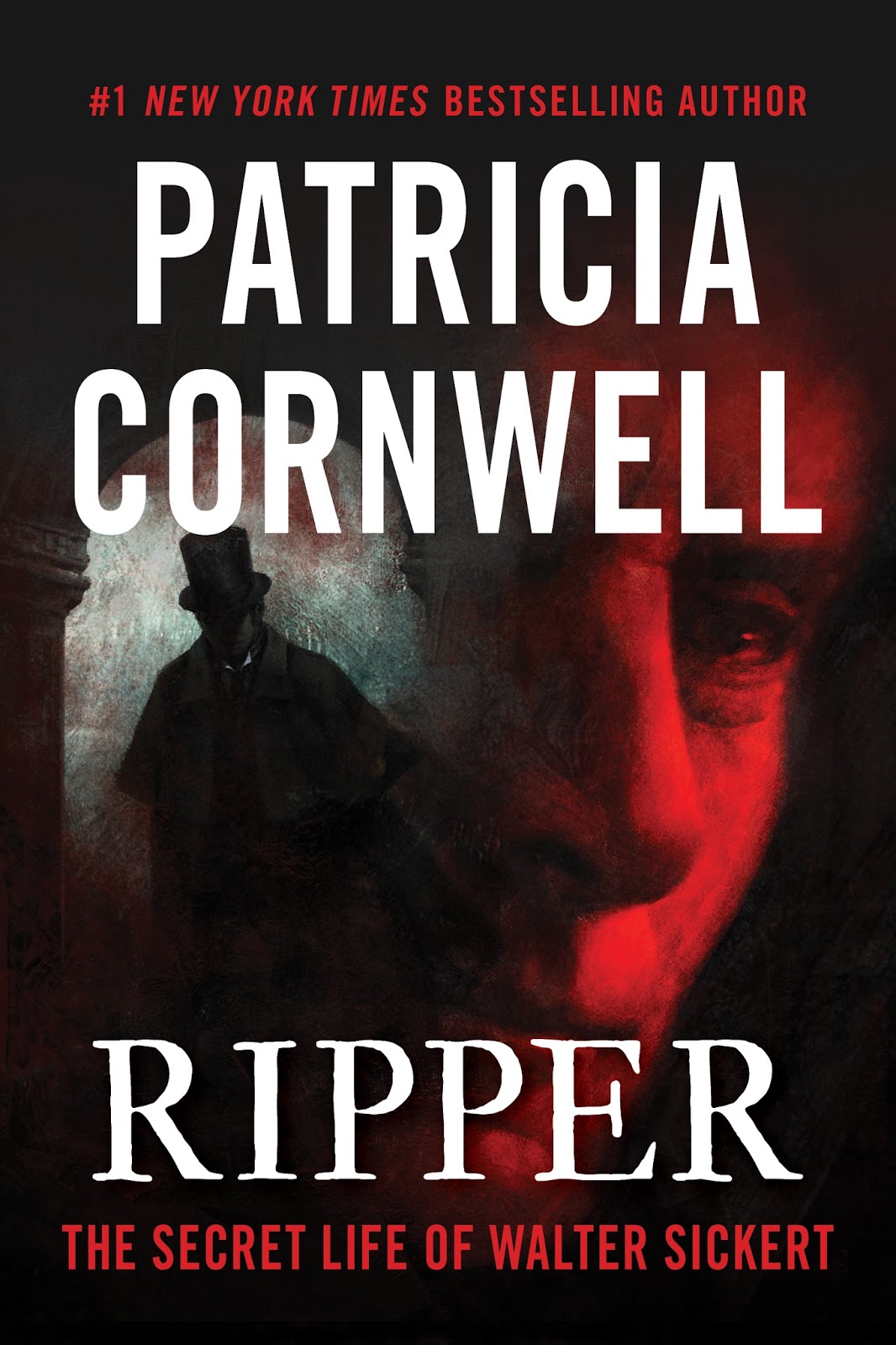
Ripper: The Secret Life of Walter Sickert by Patricia Cornwell

The original Italian version is available here.

Having written one of the worst and most ludicrous books on Jack the Ripper in 2002 was obviously not enough for crime writer Patricia Cornwell since she returned to the subject 15 years later, increasingly obsessed by her absurd belief that the murderer is the painter Walter Sickert about which she does not want to change her mind.

The writer, who certainly invested a lot of time and resources in her research, perseveres in blaming Sickert on the basis of clues such as his ability to diusguise himself, alter the tone of his voice and speak different languages. Cornwell insists that Sickert is the author of many of the letters sent by the murderer to the police and also of some of those sent by concerned citizens who advised investigators on how to proceed. Some of latter ones in particular refer to the fact that the killer could have physical deformities that made him incapable of sexual relations. But Cornwell does not explain the obvious absurdity that arises from this theory: that is why Sickert, so brilliant in escaping the police, should have sown clues that point at him.

The author also responds to the criticisms of those who maintain that Sickert cannot be the Ripper due to the banal reason that the painter was not in London during the period in which the murders took place, the author replies that Sickert was in London in those months, but the clue that she proposes is embarrassingly weak: the painter would have been in the British capital city because in that period there was a theatrical show with his favorite actress, which he surely wanted to watch.

The Handcart by Walter Sickert
In narrating the life of Sickert, the author insists on his paintings depicting scenes of violence and death, his severity towards his children and his inability to respect social rules; of course none of these makes Sickert a serial killer, but Cornwell firmly believes so. The author also underlines the similarity between many of the letters attributed to the Ripper and Sickert's style of writing, from which it emerges that the author convinced herself that the letters are authentic, while according to all the other researchers they were all fakes (perhaps excluding the one that starts with From Hell).

Cornwell also devotes a large section of the book to Sickert's health problems and in particular to a fistula for which he underwent surgery many times. According to sources close to the family, Sickert's fistula was at his anus; for unexplained reasons Cornwell believes instead that Sickert had a malformation in his penis that made him incapable of sexual relations. Again, it is not clear why she believes so, nor why this would make the painter a serial killer.

In the chapter on Polly Nichols' death Cornwell claims that Sickert's painting The Handcart (pictured above), which depicts one of the carts used to remove corpses from the streets, would have been inspired by the removal of one of the Ripper victims, since Sickert himself would have hidden in the shadows while waiting for the doctors to take the victim away. Even this theory is completely crazy and quite stupid. First of all, it is not clear what the link between Sickert's painting and Nichols's death is because the painting shows an unloaded cart in full daylight, secondly it is beyond the absurd that the murderer stained with blood and with a knife to hide remains on the scene to watch the removal of the body.

Patricia Cornwell watches closely the painting Patrol
Again, such a colossal stupidity is not enough for Cornwell who also analyzes Sickert's painting entitled Patrol (pictured left) which shows a scared-looking policewoman; according to the author this would also be a proof that the author of the painting is the murderer because the look of the policewoman would be aimed at one of the victims of the Ripper. Another completely insane assumption without a shred of evidence. Furthermore, Cornwell claims that the painting is from 1921, while according to the book Sickert: Paintings and Drawings by Wendy Baron it dates back to the 30s; in any case, Cornwell is telling us that Sickert would have painted a scene seen at least 30 years before.

But the most ridiculous of the author's claims has yet to come. Cornwell claims that Sickert intentionally left fingerprints on the Ripper letters, although at the time the fingerprinting was not used in investigations, because Sickert may have known Arthur Conan Doyle in whose novels Sherlock Holmes introduced a scientific approach into the investigation. But first off, even if this were the case, it is not clear why Sickert would have once again disseminated evidence pointing against him, secondly Cornwell also demonstrates total literary ignorance, in addition to that of common sense already amply demonstrated. Basically, in the Sherlock Holmes novels there is no scientific approach at all, but the investigator's deductions (which are based on details that the narrator does not reveal to the reader) are laughable to the modern disenchanted reader.

Unfortunately, despite the author's effort, the level of Cornwell's research is this: very low. The writer thinks that one can blame a man of serial murder on the basis of his paintings, his writing and his physical problems, throwing into the trash centuries of achievements in investigative techniques.

This book will perhaps be useful for those interested in the biography of Walter Sickert, but it is a useless waste of time for those who investigate the murders of Jack the Ripper.


Amazon Link: Ripper: The Secret Life of Walter Sickert

lunedì 3 giugno 2019

James Maybrick's diary

The original Italian version of this article is available here.

In 1992 a manuscript pretending to be Jack the Ripper's personal journal was made public by Mike Barrett, an unemployed former scrap metal dealer in Liverpool; the author's name does not appear anywhere, but it is clear from the context that it would be James Maybrick, a Liverpool cotton merchant born in 1838 and died in 1889 probably after being poisoned by his wife.

Barrett never fully explained where the document was kept between the death of the alleged author and its publication, at first he claimed that he was given as a present by a friend in a pub and then changed his version saying that it was Barrett's wife (who had kept it for decades) to give it to his friend so he could give it to Mike.

The text was published in a book entitled The Diary of Jack The Ripper: the discovery, the investigation, the debate, and was accompanied by an analysis by writer Shirley Harrison who supports its authenticity. The publisher of book, Robert Smith, is the current owner of the manuscript and agrees with Harrison.

The diary tells the life of James Maybrick and describes in detail the five murders in Whitechapel he allegedly committed. At the time Maybrick was considered completely foreign to the facts, the police never investigated him or found other documents indicating him as a suspect. The man is on the list of modern suspects only because of this diary.

Numerous examinations for dating have been carried out on the text but gave inconclusive results. However just reading the text is enough to realize that it contains too many absurdities and factual errors to be legitimate. First of all, Maybrick did not live in London, so it is not clear why he would have chosen Whitechapel to carry out his murders; secondly, the man had no in-depth knowledge of the area, which the actual Ripper must necessarily have. Also at the time of the murders Maybrick was fifty years old, while the Ripper's profile (for example the one written by FBI agent John Douglas) suggests that the killer was between 20 and 40 years old.

In addition to these considerations it should be noted that the book contains errors that the killer could not make. It says, for example, that after removing Mary Kelly's breasts the killer placed them on the bedside table next to the bed, but this is not true: one of the breasts was actually found under the woman's head and the other at her feet together with the liver.

The author of the manuscript also claims to be the author of many of the letters sent to the press or police during the time of the Whitechapel murders, but today most researchers claim that those letters were fakes.


One of the clues proposed by those who believe the diary is authentic is that the killer wrote FM on the wall next to the body of Mary Kelly with the victims's blood; the letters would be the initials of Maybrick's wife, Florence Maybrick, indicating that the man saw his wife in Mary Kelly while killing her. Frankly this assertion is beyond ridiculous, in the proposed images the two letters seem to be only blood stains on the wall without a precise shape. This is clearly a case of pareidolia. Moreover, no one would make a reference to his wife using the both her first and last names.

In 1995 Barrett confessed in two affidavits that the text of the diary was a forgery created by him and his wife, but retracted shortly after adding confusion to an already quite tangled situation.

In September of 2017 Robert Smith published a book that allegedly proves the authenticity of the diary. We have not read Smith's text yet, but it is more than obvious that the diary is a fake, and not even good one. Even if Smith could prove that the diary dates back to the Victorian era this may at most lead to the conclusion that James Maybrick was a mythomaniac who attributed to himself deeds he did not do.

In a nutshell, reading the diary is enough to understand that the text itself is fake. James Maybrick can surely be excluded from the list of suspects.


Amazon Link: The Diary of Jack the Ripper

giovedì 16 maggio 2019

The Jack the Ripper tour with "ripper visions": un'esperienza da non fare

Sono a Londra per lavoro, ho una serata libera. Quale occasione migliore per un tour su Jack the Ripper? Il prezzo di 15€ è allettante, il bizzarro titolo The Jack the Ripper tour with "ripper visions" mi incuriosisce e quindi quando esco dalla metropolitana alla fermata di Aldgate East sono armato delle migliori aspettative.

La guida si presenta come Andre, senza indicare il cognome e si autodefinisce un ripperologo di lunga esperienza, senza specificare a quali testi o documentari abbia partecipato. Strano; ma in fondo non troppo. E comunque basta una ricerca su Google per scoprire il cognome, perché di Andre sedicenti ripperologi ce n'è uno solo.

Il tour inizia puntuale alle 19:30 e Andre ci conduce tra le strade di Whitechapel mostrando i luoghi in cui sono state trovate le vittime canoniche e anche altri significativi per la vita dell'epoca, come i vicoli dove le prostitute vittoriane adescavano i clienti o il mercato di Petticoat Lane.

Arrivati a Mitre Square la guida ci parla anche del graffito di Goulston Street, alla mia domanda se non ritenga che la scritta sia scollegata dagli omicidi risponde che non può essere perché i Juwes sono tre personaggi della cultura massonica di cui parlerà dopo. Oh, no... ma davvero vuole propinarci questa sciocchezza?

Purtroppo questo è solo l'inizio di una serie di stupidaggini davvero notevoli. Andre continua dicendo che Mitre Square e il Ten Bells sono posti stregati dove avvengono fatti inspiegabili, dice che lo Squartatore ha asportato il cuore di Mary Kelly (fatto non accertato in base ai rapporti dei medici legali) e che l'assassino ha compiuto rituali massonici sulle sue vittime.

Appena prima del termine del tour la guida dice che sta per esporre la propria teoria sull'identità dell'assassino e chiede a chi sta riprendendo con telecamere di interrompere, perché ciò che sta per dire è protetto da copyright. Ma la sua teoria è la stessa di Stephen Knight (citato esplicitamente), è vecchia di più di quarant'anni e vuole che William Gull, medico della regina, sia l'esecutore materiale degli omicidi per mettere a tacere le cinque donne le quali custodivano un segreto indicibile per la famiglia reale, cioè che il principe Alberto aveva una relazione con una donna irlandese cattolica da cui aveva avuto una figlia.

Ovviamente la guida nel proporre questa teoria, a cui non crede nessuno tra i veri ripperologi, non si domanda come sia possibile che l'assassino avesse 72 anni al momento degli omicidi, o se un messo della corona non avesse mezzi adeguati che non lo costringessero a pulire la lama del coltello e gettare lo straccio in un antro o per quale motivo ci abbia messo due mesi e mezzo ad uccidere cinque donne se il motivo era solo quello di ridurle al silenzio.

Non poteva mancare un riferimento alla famiglia Sickert e in particolare a Joseph Sickert di cui la guida dice di essere stato buon amico e che gli avrebbe confermato i fatti come riportati da Stephen Knight.

Io forse ero l'unico del gruppo a conoscere l'argomento, ma le altre quasi trenta persone probabilmente sono tornate a casa credendo che William Gull sia un assassino. Pensavo che i tour servissero a chiarire i fatti e sgombrare il campo dalle dicerie: purtroppo questo sembra fatto invece proprio per diffondere leggende metropolitane della peggior specie.

Peccato. Se capitate a Londra cercate un altro tour. Non fatevi attirare dal prezzo basso: sentireste solo cose già sentite e molte di queste sono anche sbagliate.

venerdì 1 marzo 2019

I medici legali coinvolti nelle indagini

Rees Ralph Llewellyn: Nato a Whitechapel nel 1849, si iscrisse alla University of London nel 1849 e vi si laureò nel 1873. Intervenne sulla scena del delitto di Mary Ann Nichols dove ne dichiarò la morte e il giorno seguente operò l’autopsia sulla donna. Testimoniò anche all'inchiesta sulla morte di Mary Ann Nichols come testimone. Morì nel 1921. Il suo testo più importante è la testimonianza all’inchiesta, che fu riportata dal The Times del 3 settembre 1888.


George Bagster Phillips: Nato nel 1835 a Londra, dal 1865 fu medico legale della Divisione H della polizia metropolitana. Intervenne sulle scene dei delitti di Annie Chapman, Elizabeth Stride e Mary Jane Kelly e partecipò o condusse le autopsie sulle stesse più Catherine Eddowes.

I suoi testi più importanti sono:
  • la testimonianza all'inchiesta sulla morte di Annie Chapman
  • il rapporto autoptico di Annie Chapman
  • il rapporto autoptico di Elizabeth Stride, presentato all'inchiesta sulla morte della stessa
  • la testimonianza all'inchiesta sulla morte di Mary Jane Kelly
  • la testimonianza all'inchiesta sulla morte di Alice McKenzie (che non riteneva fosse una vittima di Jack lo Squartatore)


Frederick Gordon Brown: Nato nel 1843 era il medico legale della City Police e per questo si occupò soprattutto del cadavere di Catherine Eddowes. Esaminò anche il cadavere di Alice McKenzie e partecipò anche all'indagine sul torso di Pinchin Street.

I suoi testi principali sono:
  • il rapporto autoptico di Catherine Eddowes
  • la testimonianza all'inchiesta sulla morte di Catherine Eddowes


Thomas Bond: Nato nel 1841 fu un chirurgo noto anche per essere ad oggi considerato il primo profiler della storia. Si laureò al King’s College di Londra e nel 1865 si unì all'esercito, in seguito partecipò alla guerra austro-prussiana. Tornato a Londra dopo la guerra divenne il chirurgo della Divisione A della Metropolitan Police.

I suoi scritti più importanti sono:
  • il primo profilo dello Squartatore
  • il rapporto autoptico di Mary Jane Kelly
  • il rapporto autoptico di Alice McKenzie (che riteneva fosse una vittima di Jack lo Squartatore)
  • la testimonianza all'inchiesta sulla morte di Rose Mylett
  • la testimonianza all'inchiesta sul Whitehall Mystery appartenente alla catena di delitti noti come Thames Torso Murders

Tabella riassuntiva del coinvolgimento dei medici legali